
6 Tips From a New Tire Service That Can Save You Money
The relationship between a driver and their vehicle often centers on what is under the hood, but the most critical point of contact with the road is the rubber meeting the asphalt. For many motorists, tires are an afterthought until a flat occurs or a "low pressure" light illuminates the dashboard. However, maintaining your tires is one of the most effective ways to reduce the total cost of vehicle ownership. From improving fuel efficiency to preventing premature suspension wear, the health of your tires dictates the health of your wallet.
When you visit a professional new tire service, you aren't just buying rubber; you are investing in a maintenance program designed to extend the life of your vehicle. Neglecting this aspect of car care leads to a cascade of mechanical issues that are far more expensive than a simple rotation or alignment. Understanding the nuances of tire care allows you to take control of your maintenance schedule and avoid the predatory pricing often found at emergency repair shops.
In this article, we will explore expert tips from a professional new tire service that will help you maximize your mileage and minimize your automotive expenses.
1. Maintain Proper Inflation Levels Regularly
The simplest way to save money on your vehicle is also the most frequently ignored: checking your tire pressure. Air is free, but the lack of it is incredibly expensive. When tires are under-inflated, the surface area touching the road increases, creating excessive rolling resistance. This forces your engine to work harder and consume more fuel to maintain the same speed. According to the National Highway Traffic Safety Administration, properly inflating your tires can save you as much as 11 cents per gallon on fuel. Over the course of a year, that adds up to significant savings at the pump. Beyond fuel, under-inflation causes the tire to generate excessive heat, which breaks down the internal components and leads to "shoulder wear." By visiting a new tire service for a quick pressure check once a month, you ensure your tires wear evenly and your fuel economy remains optimized.
2. Perform Routine Tire Rotations Faithfully
Front and rear tires perform very different jobs. On most modern vehicles, the front tires handle the weight of the engine, the forces of steering, and the majority of the braking power. Consequently, they tend to wear out much faster and in different patterns than the rear tires. If you leave your tires in the same position for the duration of their life, you will likely find yourself replacing the front pair twice as often as the rear. A new tire service recommends rotating your tires every 5,000 to 8,000 miles. This practice ensures that the tread wears down at a uniform rate across all four tires. Uniform wear doesn't just save you from buying tires prematurely; it also keeps your vehicle's handling predictable and safe. When all four tires have similar tread depth, your traction is balanced, reducing the risk of hydroplaning or losing control during emergency maneuvers.
3. Check Your Wheel Alignment Annually
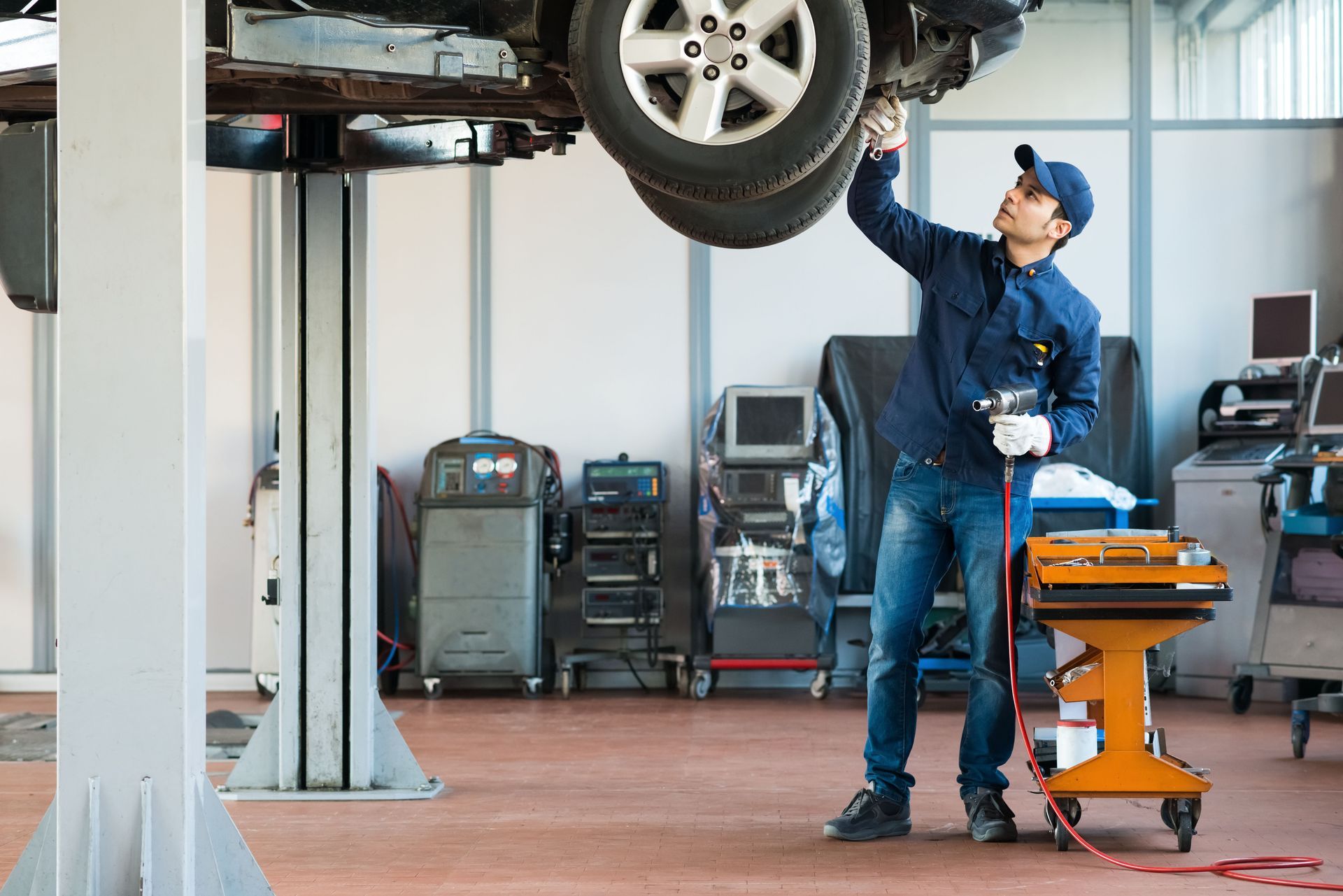
You might have the best tires on the market, but if your wheels are pointing in different directions, those tires will be destroyed in a matter of months. Potholes, curb strikes, and even general wear on suspension bushings can knock your vehicle out of alignment. If your car "pulls" to one side or if the steering wheel is crooked when driving straight, your alignment is likely off. Even a slight misalignment can cause "feathering" or "sawtooth" wear on the tread. This drastically shortens the lifespan of the tire. A reputable new tire service uses laser-guided systems to ensure your wheels are perfectly parallel to each other and perpendicular to the road. Investing in an annual alignment check is far cheaper than replacing a set of premium tires that have been scrubbed bald by poor geometry.
4. Inspect Your Tread Depth Monthly
Waiting until your tires are "bald" to replace them is a recipe for a financial and safety disaster. Low tread depth increases the distance it takes for your car to stop, especially in wet or snowy conditions. Most people use the "penny test," but a professional new tire service suggests using a dedicated tread depth gauge for accuracy. If your tread reaches 2/32 of an inch, the tire is legally worn out and dangerous. However, performance begins to degrade significantly at 4/32 of an inch. By monitoring your tread depth, you can plan for the expense of new tires months in advance, allowing you to shop for sales and rebates rather than being forced to buy whatever is in stock during an emergency. Furthermore, uneven tread depth can be an early warning sign of suspension problems, allowing you to fix a small mechanical issue before it becomes a multi-thousand-dollar repair.
5. Balance Your Tires Regularly
If you feel a vibration in the steering wheel or seat at highway speeds, your tires are likely out of balance. As tires wear, they lose small amounts of rubber, and the distribution of weight changes. Heavy spots in the tire cause it to wobble as it spins, which puts immense stress on your wheel bearings, shocks, and struts. A new tire service uses a balancing machine to identify these heavy spots and applies small lead or zinc weights to the rim to counteract them. Ignoring a vibration doesn't just make for an uncomfortable ride; it vibrates your vehicle's components to pieces. The cost of a balance service is negligible compared to the cost of replacing wheel hubs or vibrating your suspension system into an early grave. Keeping your tires balanced ensures a smooth ride and protects the mechanical integrity of your entire drivetrain.
6. Choose the Right Tire Category
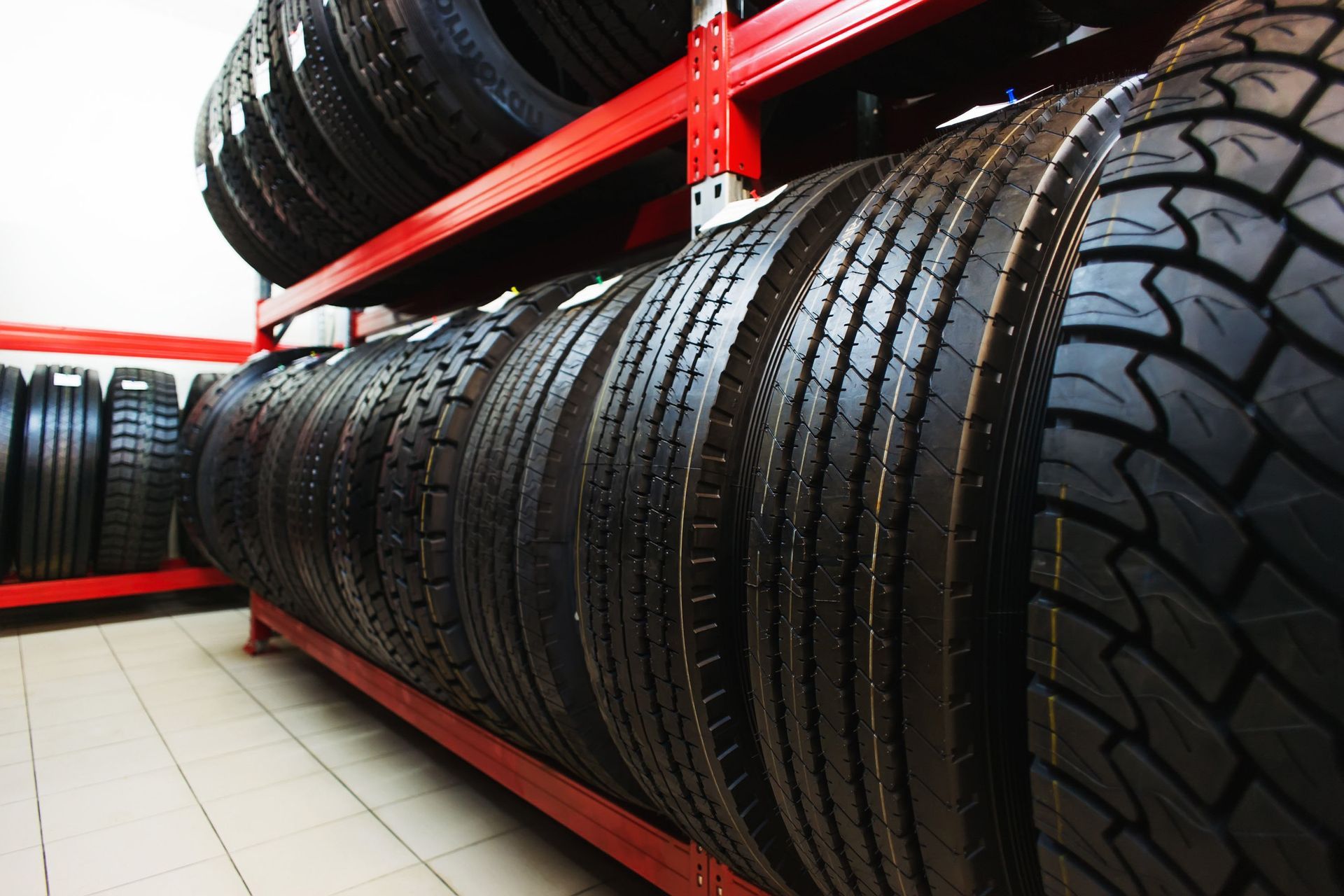
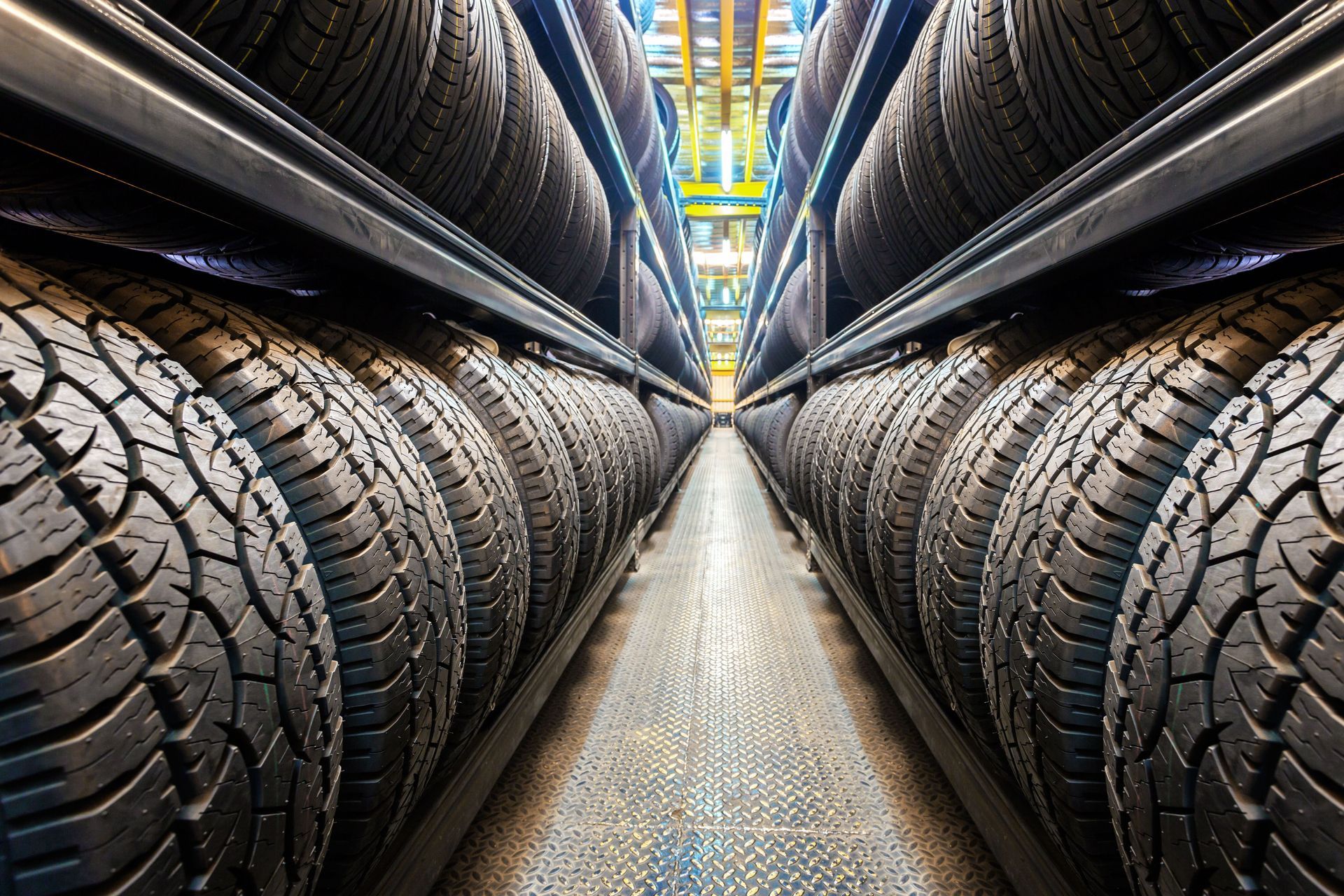
One of the biggest mistakes consumers make is buying the wrong type of tire for their specific driving needs. Many people buy "high-performance" tires for a daily commuter car, only to realize that those tires have a soft rubber compound that wears out in 20,000 miles. Conversely, buying the cheapest "touring" tire for a heavy SUV might result in poor handling and frequent replacements. When you consult with a new tire service, ask about the "Uniform Tire Quality Grading" (UTQG) ratings, specifically the treadwear grade. A higher number indicates a longer-lasting tire. By matching the tire's speed rating, load index, and treadwear grade to your actual driving habits, you avoid overpaying for performance you don't need or under-spending on durability that you do.
Tire maintenance is the cornerstone of affordable vehicle ownership. By staying proactive with inflation, rotations, and alignments, you transform your tires from a recurring "emergency" expense into a manageable, long-term investment. The savings are multifaceted: you spend less at the gas station, you delay the need for new rubber, and you protect the expensive mechanical components of your suspension and steering. A trusted new tire service is your best partner in this endeavor, providing the technical expertise and specialized equipment needed to keep your vehicle running efficiently. Don't wait for a breakdown to start thinking about your tires. The small steps you take today will pay dividends every time you get behind the wheel.
Are you ready to start saving money and improve your vehicle's safety? Visit Chad's Pro Alignment, LLC today for a professional tire health check and let our experts ensure you're getting the most out of every mile.
Share On: