
Top Tips for Choosing New Tires for Everyday Driving
Selecting new tires begins with understanding how a vehicle is used throughout a typical week. Commuting, school runs, errands, and highway travel place different demands on a tire, even when the same vehicle handles each trip. Drivers should consider the roads they use most often, the local climate, and the amount of time spent behind the wheel. These details help narrow the options when comparing new tires and identifying products suited to everyday conditions.
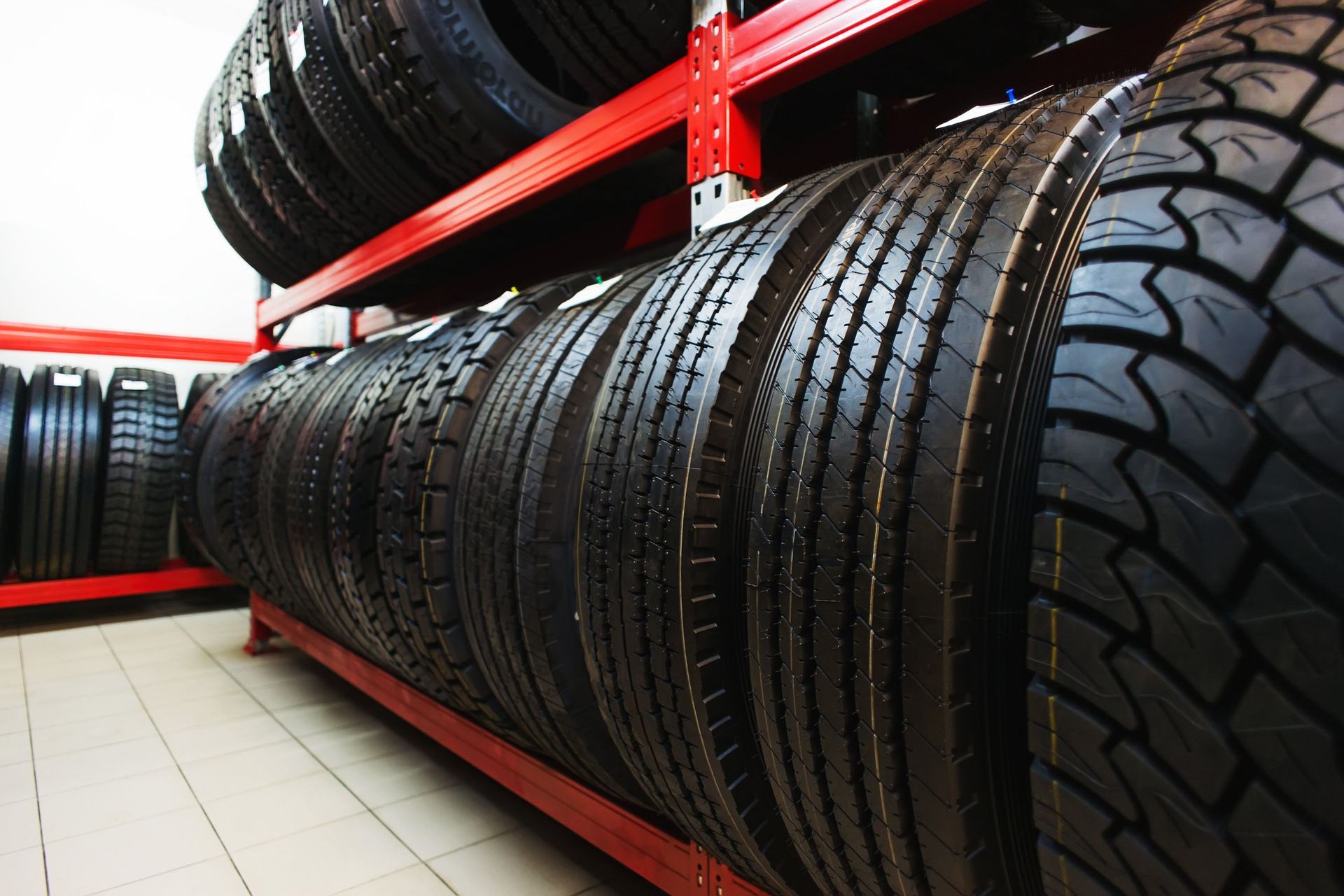
New tire categories are designed to address different driving environments. All-season tires are common for drivers who experience a range of temperatures and want one set for much of the year. Summer tires emphasize warm-weather grip and handling, while winter tires are engineered for colder conditions and traction on snow and ice. Drivers should consider seasonal requirements rather than assuming one category is ideal in every climate.
The vehicle manufacturer’s recommendations provide an important starting point. The owner’s manual and the tire information placard typically identify the appropriate tire size and other specifications. These details help ensure that replacements are compatible with the vehicle’s design. A qualified tire professional can explain which options meet those requirements while accounting for everyday driving habits.
Comparing Traction and Handling Characteristics
Traction affects how confidently a vehicle accelerates, turns, and stops. Tire tread patterns, rubber compounds, and construction all influence the way tires interact with the road. Drivers who regularly travel on wet pavement may place a higher priority on wet traction, while those who encounter snow and ice need products designed for winter conditions. Comparing new tires by these characteristics helps buyers focus on performance that matters during their usual trips.
Handling is another consideration because it influences steering response and stability. Some tires are designed to provide a more responsive feel, while others emphasize a comfortable ride and predictable performance. The right balance depends on the vehicle and the driver’s priorities. A tire specialist can explain how different models may affect steering feel without suggesting that one design is suitable for every driver.
Braking performance deserves particular attention. Tires are the vehicle’s only points of contact with the road, so their condition and design contribute to stopping capability. Wet-road braking can be especially important in regions that experience frequent rain. When comparing new tires, drivers should review available performance information and ask how the options perform under conditions common in their area.
Evaluating Ride Comfort and Road Noise
Everyday driving often involves long periods inside the vehicle, making ride comfort a practical factor. Tire design can influence how much vibration from uneven pavement reaches the cabin. Some models are built with features intended to soften the ride, while others may prioritize sharper handling. Drivers should consider whether their daily routes include rough streets, highways, or a mix of road surfaces.
Road noise can also affect the driving experience. Tread design, tire construction, road texture, and vehicle characteristics all contribute to the sound heard inside the cabin. A quieter tire may make commuting and longer trips more pleasant, particularly for drivers who spend substantial time on highways. Asking a tire professional about noise ratings and expected road manners can help clarify the differences among available new tire models.
Reviewing Tire Size and Load Requirements
Correct sizing is essential when replacing tires. The size designation includes information about width, aspect ratio, construction, and wheel diameter. Choosing an incompatible size can affect handling, speedometer accuracy, clearance, and other vehicle functions. For that reason, drivers should use the manufacturer’s specifications as the primary reference instead of selecting a size based only on appearance or price.
Load capacity is equally important. Each tire has a load index that indicates the maximum weight it is designed to support under specified conditions. The replacement should meet the vehicle manufacturer’s requirements, especially for vehicles that regularly carry passengers, cargo, or equipment. A professional can help confirm that the new tires provide the appropriate capacity for the vehicle’s intended use.
Considering Tread Life and Long-Term Value
Tread life can influence how often tires need to be replaced. Manufacturers may provide treadwear information and mileage warranties, but actual service life depends on factors such as driving habits, road conditions, inflation, alignment, and maintenance. A tire’s advertised mileage should therefore be viewed as an estimate under specified conditions rather than a guaranteed lifespan. Discussing expected use with a tire professional can help set realistic expectations.
Price is important, but the least expensive option may not provide the best overall value for a particular vehicle. Drivers should compare the tire’s performance characteristics, expected durability, warranty terms, and suitability for local conditions. A product that meets daily needs and performs consistently may be a more practical choice than one selected solely because of its initial cost. Comparing the full ownership picture helps make the purchase more informed.
According to WifiTalents, approximately 60% of tires manufactured worldwide are intended for passenger vehicles. This highlights the substantial role passenger-car tires play in the broader tire market. Even with many options available, buyers should focus on the specific requirements of their own vehicle. Product popularity alone does not establish whether a particular tire is appropriate for a given driver.
Checking Compatibility With Vehicle Alignment
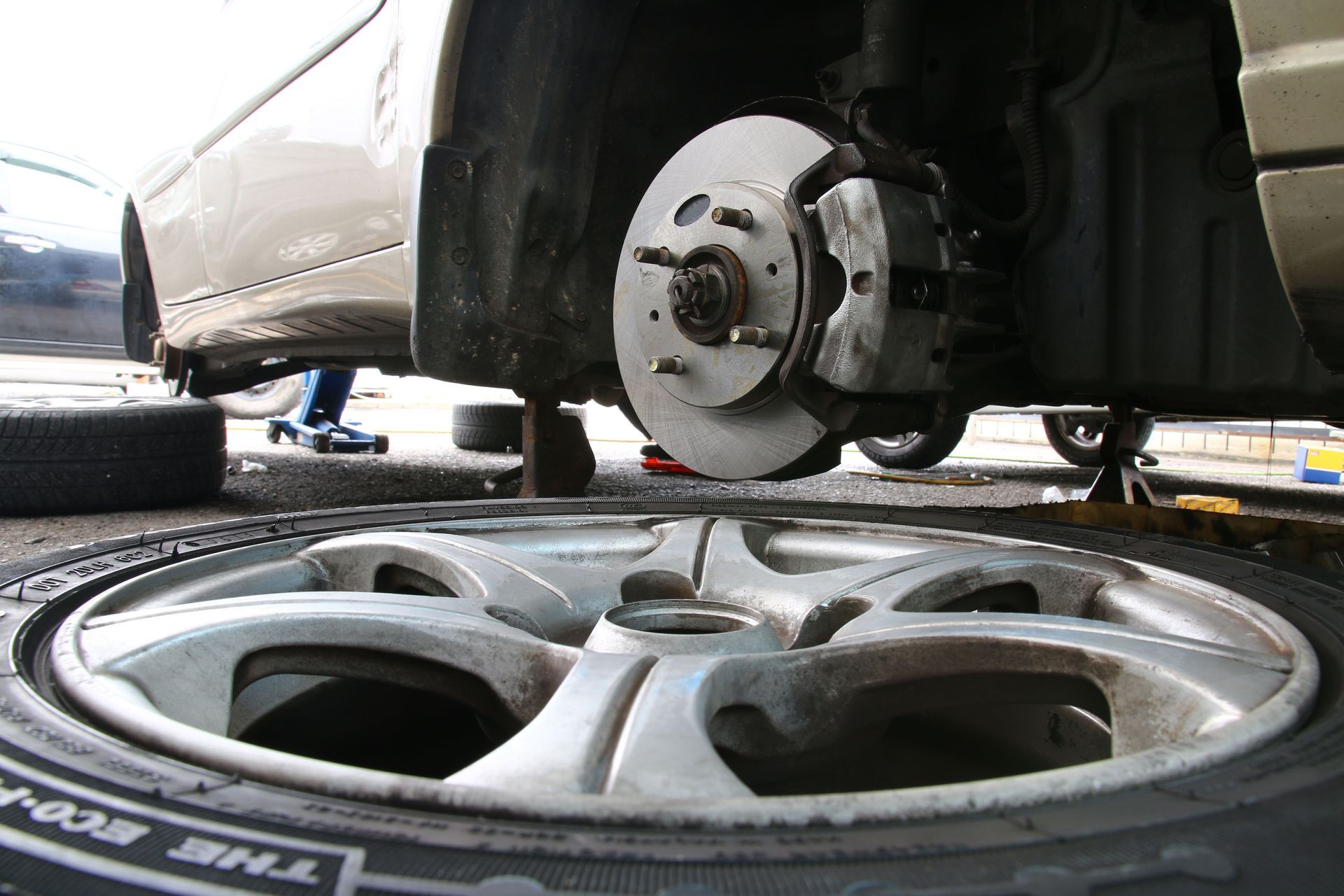
Tire selection should also account for the vehicle’s alignment and suspension condition. Alignment affects the direction and angle at which tires meet the road. If the wheels are out of specification, the tread may wear unevenly and the vehicle may not track as intended. Having alignment evaluated when replacing tires can help identify issues that could affect the performance and service life of the new set.
Uneven wear patterns can sometimes indicate alignment concerns or other mechanical problems. A vehicle that pulls to one side, has an off-center steering wheel, or shows irregular tread wear may need further inspection. These symptoms do not always point to the same cause, so a qualified technician should assess the vehicle before recommending corrective work. Addressing relevant issues can help the new tires perform as intended.
Selecting a Qualified Tire Service Provider
A knowledgeable service provider can make the selection process clearer. Tire professionals can review
new tires against vehicle specifications, explain differences between products, and help match tire characteristics to local driving conditions. They can also discuss installation requirements and any additional services that may be appropriate. Clear explanations make it easier for drivers to understand the available choices before making a decision.
Choosing new tires is an opportunity to consider how a vehicle performs during everyday travel. By reviewing tire type, traction, comfort, size, load capacity, tread life, and alignment, drivers can make a selection based on practical needs rather than a single feature. Professional guidance can help connect those considerations and identify products compatible with the vehicle. A careful decision supports dependable performance across the routine trips that make up daily driving.
The right tire selection is only one part of maintaining a vehicle for everyday driving. Chad's Pro Alignment, LLC can help drivers consider tire needs alongside alignment and related vehicle services. We understand that the right fit depends on the vehicle’s specifications, driving conditions, and the priorities of the person behind the wheel. Our team is available to discuss your concerns and help you understand the service options that may support your vehicle.
When it is time to replace your tires, we encourage you to arrange a professional evaluation and discuss the factors that matter most for your daily routine. From tire compatibility to alignment considerations, addressing these details can help you make a more informed decision. Contact Chad's Pro Alignment, LLC to learn more about our services and schedule an appointment. We can discuss the factors that matter for your vehicle and driving routine.



Share On: